FIELD NOTE 05 · ROUTE / LANDSCAPE
The Desert Was a Network
Roads, wells, stations, inscriptions and discarded objects turn apparent emptiness into connected infrastructure.
- READING TIME
- 8 minutes
- SECTIONS
- 5
- REVIEWED
- 18 July 2026
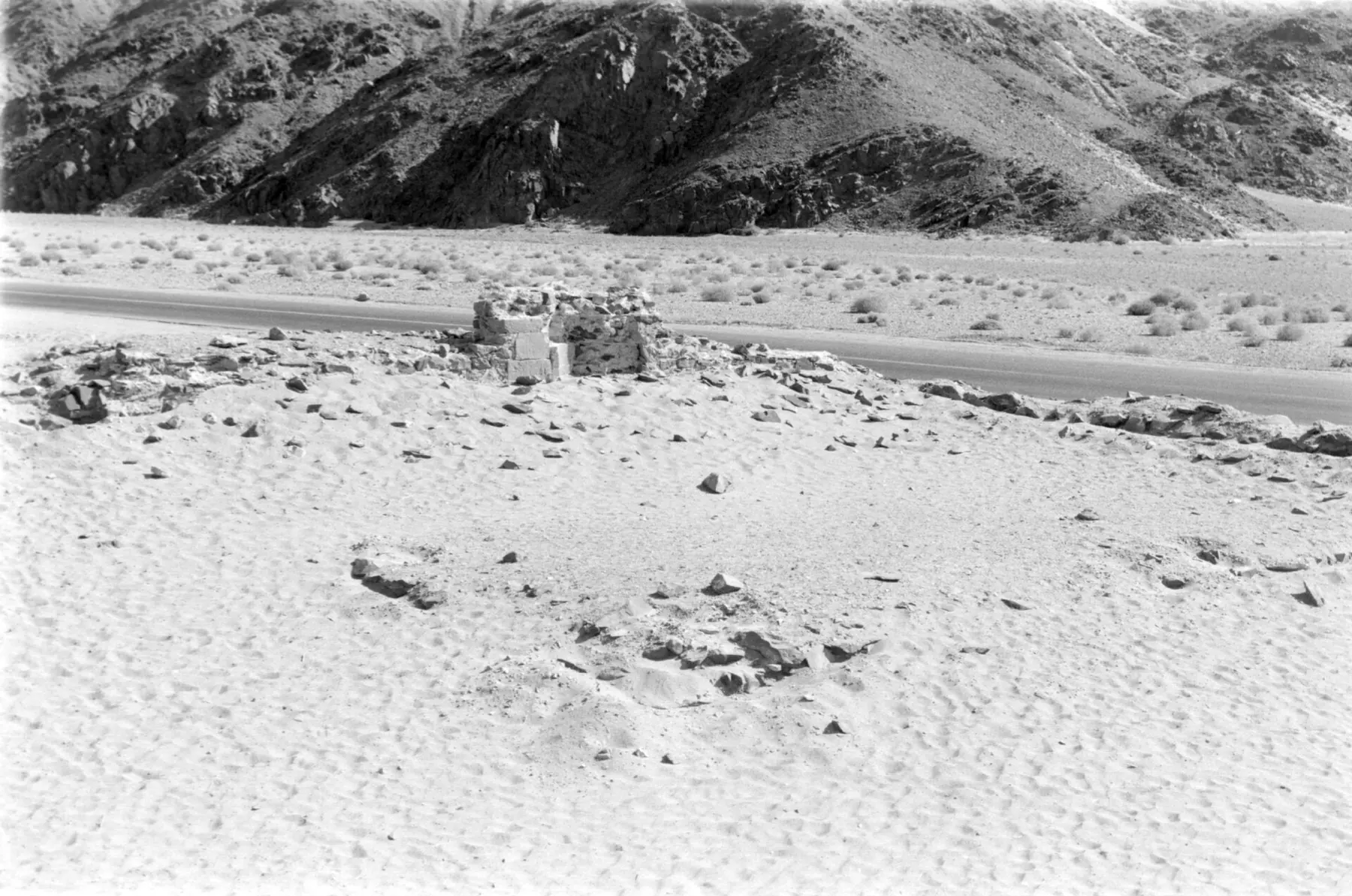
A desert photograph can appear almost empty. Archaeological survey reads paths, water sources, rock inscriptions, shelters and small finds as parts of movement systems connecting the Nile, mines, quarries and Red Sea ports.
05.01
Routes follow constraints
Travel responds to gradient, water, visibility and destination. Repeated passage may leave a track, but wind, modern roads and later use can erase or overwrite it. Mapping therefore combines landscape observation, remote sensing, inscriptions and excavated stations.
A straight line on a modern map is not an ancient journey.
05.02
Water organized distance
Wells and cisterns transformed how far people and animals could move. Their construction and maintenance imply planning and labour. A water point can also attract occupation from multiple periods, so proximity does not automatically establish contemporaneity.
Infrastructure is evidence for possibility, not proof of every proposed route.
05.03
Small stations hold large systems
Fortified stations in the Eastern Desert supplied water, shelter and administration along routes between the Nile and Red Sea. Pottery, texts and animal remains reveal traffic and provisioning at a scale monumental histories often miss.
A modest ruin can be a node in an interregional economy.
05.04
Written debris records movement
Ostraca from desert sites preserve deliveries, names, instructions and correspondence. They document practical problems while also reflecting the officials and literate workers whose messages entered the archive.
A route’s written record speaks clearly for some travellers and faintly for others.
05.05
Modern access changes the evidence
Road building, extraction, tourism and looting can expose and damage sites. Publishing precise coordinates for vulnerable places may create risk. Responsible access balances open research with conservation and local authority.
More discoverable is not always more protected.
STARTING SOURCES
Follow the record.
This note is an editorial introduction, not a catalogue entry. Object-specific identification should be checked against the holding institution’s current record.
- Institut français d’archéologie orientale — Eastern Desert research
- UNESCO World Heritage Centre — Wadi al-Hitan and Egyptian sites
- The British Museum — Roman Egypt research