 01
01NOTE 01 · SURFACE / CONTEXT
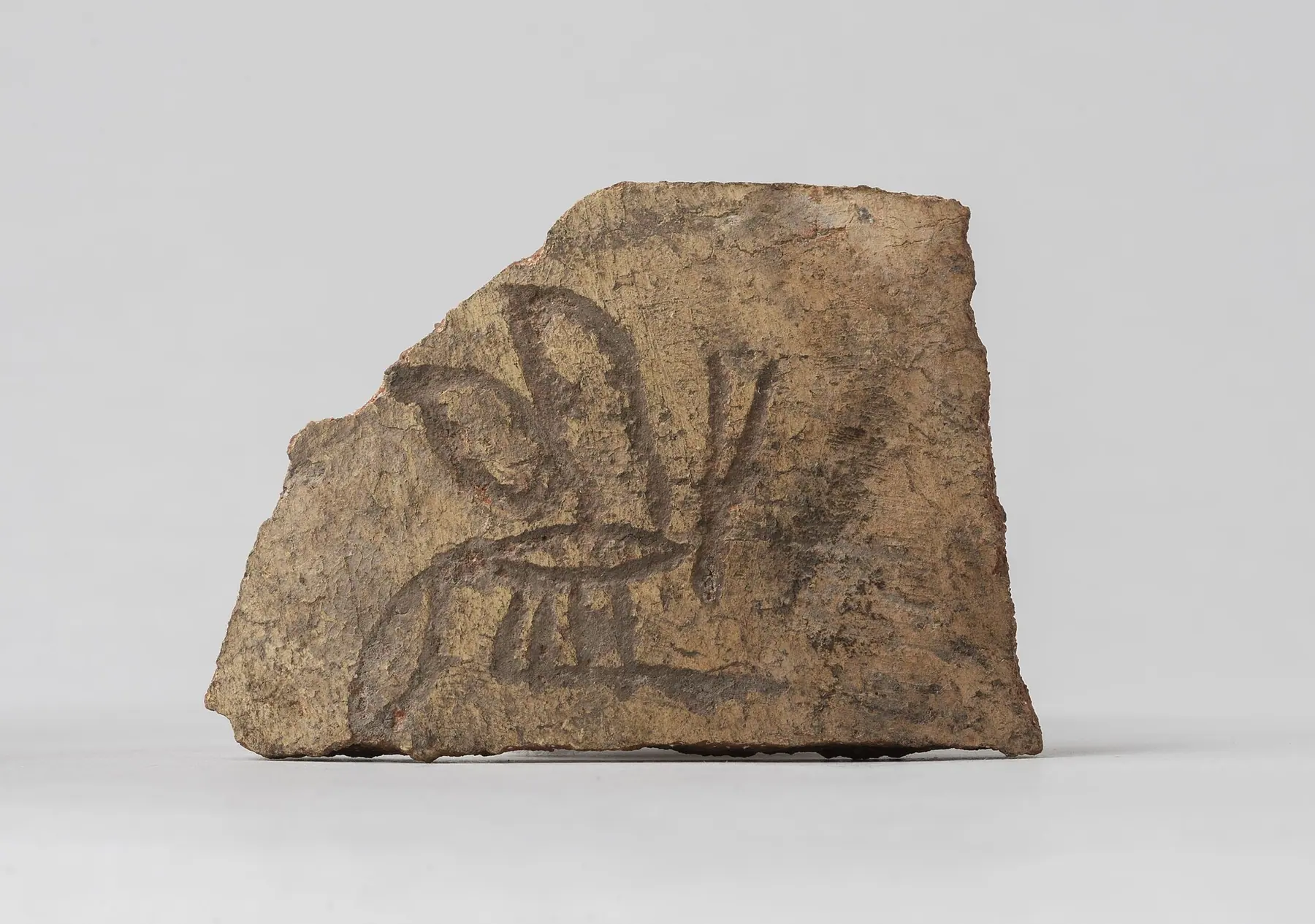
A Sherd Is Not Small Evidence
A broken vessel can still preserve material, gesture, chronology and context—if the record stays attached.
READ FIELD NOTE →SIX WAYS INTO THE EVIDENCE
A field guide to reading fragments, materials and routes without pretending that evidence speaks for itself.
BEGIN WITH A SHERD →EDITORIAL POSITION
These notes follow ordinary evidence from close observation to a claim that another reader can inspect, question and revise.
FIELD NOTES 01–06
01NOTE 01 · SURFACE / CONTEXT
A broken vessel can still preserve material, gesture, chronology and context—if the record stays attached.
READ FIELD NOTE →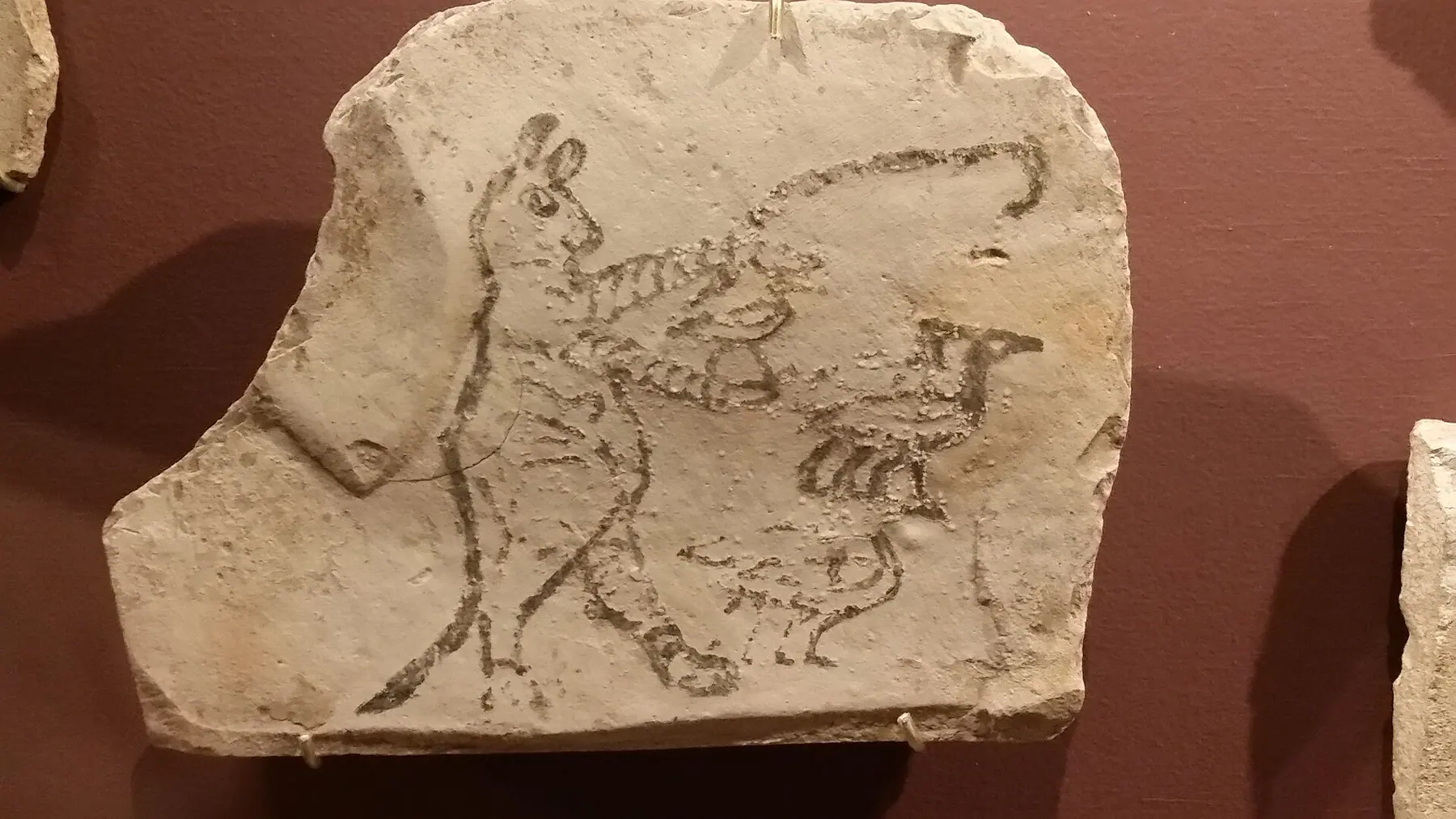 02
02NOTE 02 · WRITING / DAILY LIFE
Receipts, lists, letters and quick drawings survive because stone flakes and broken pottery were close at hand.
READ FIELD NOTE →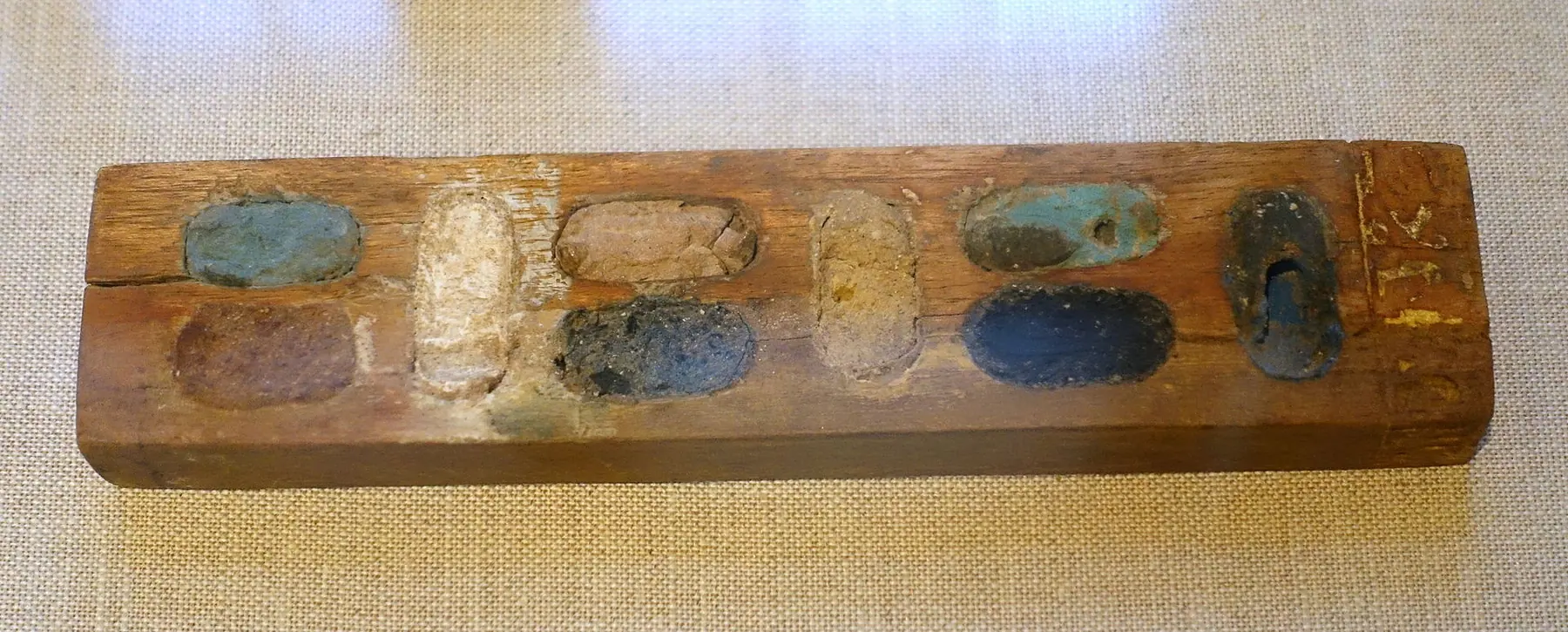 03
03NOTE 03 · PIGMENT / ANALYSIS
Colour is material evidence: mined, manufactured, mixed, applied, altered and sometimes reconstructed too confidently.
READ FIELD NOTE →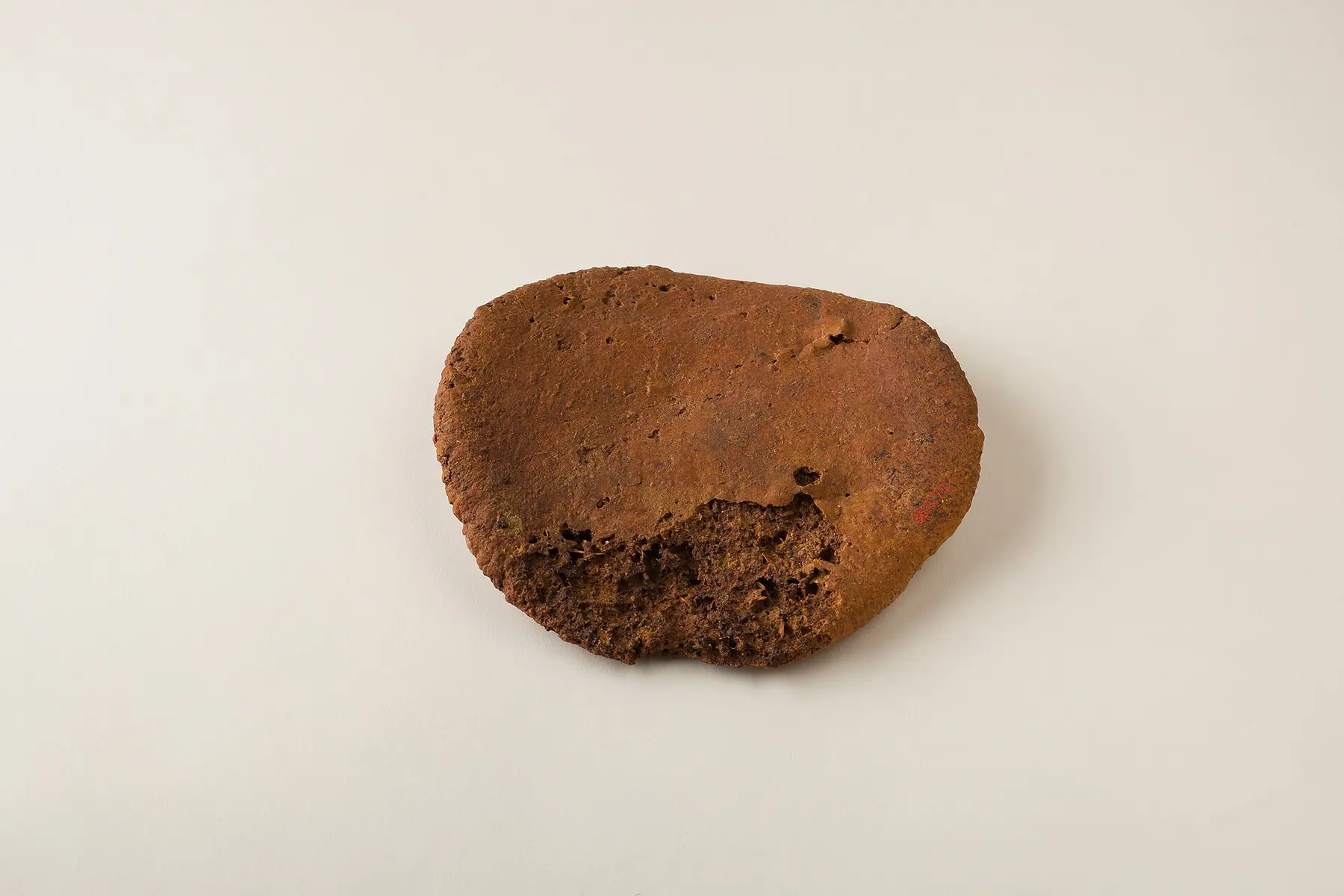 04
04NOTE 04 · FOOD / LABOUR
A loaf connects grain, grinding, water, heat, labour, preservation and the limits of museum display.
READ FIELD NOTE →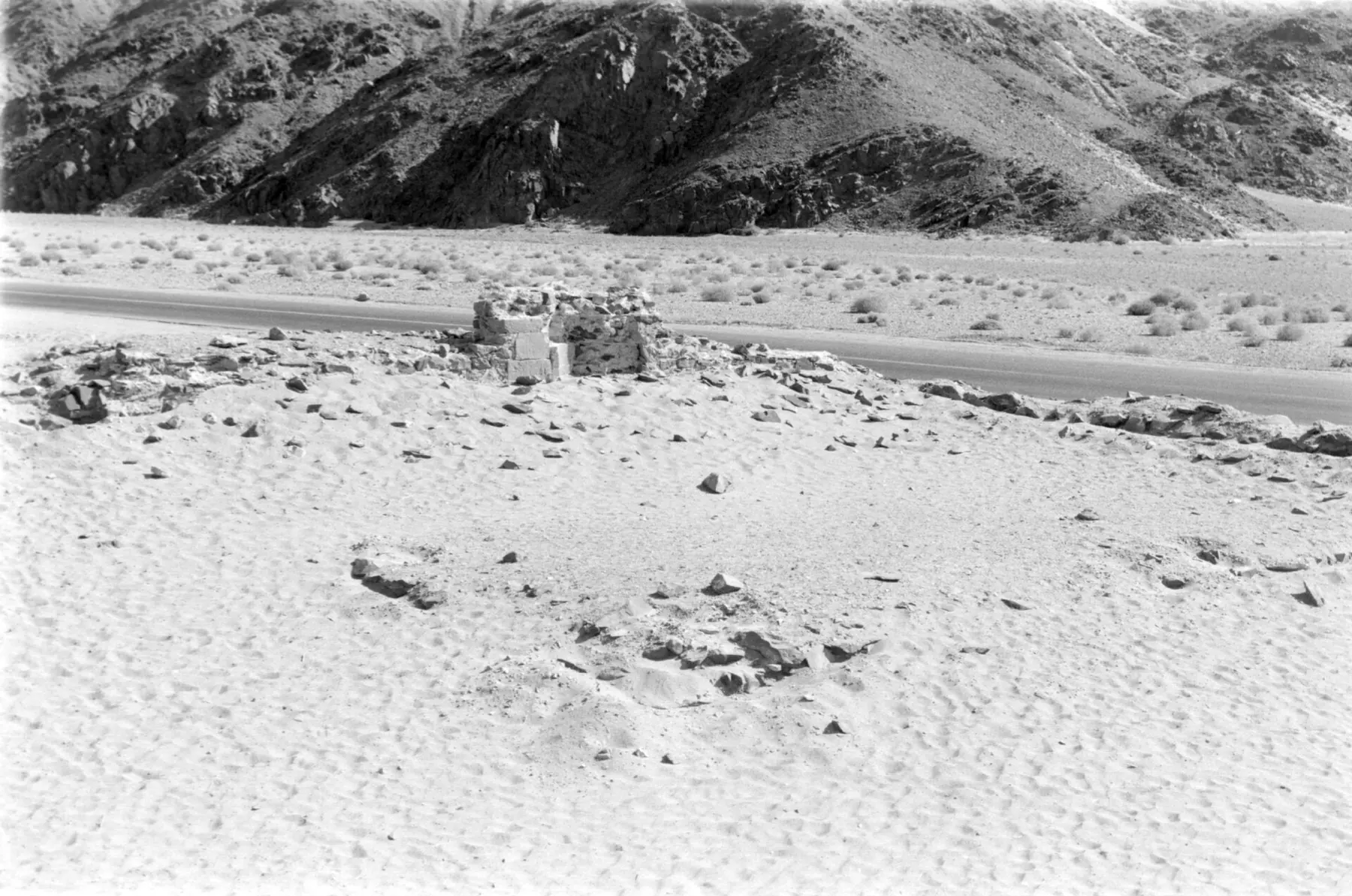 05
05NOTE 05 · ROUTE / LANDSCAPE
Roads, wells, stations, inscriptions and discarded objects turn apparent emptiness into connected infrastructure.
READ FIELD NOTE →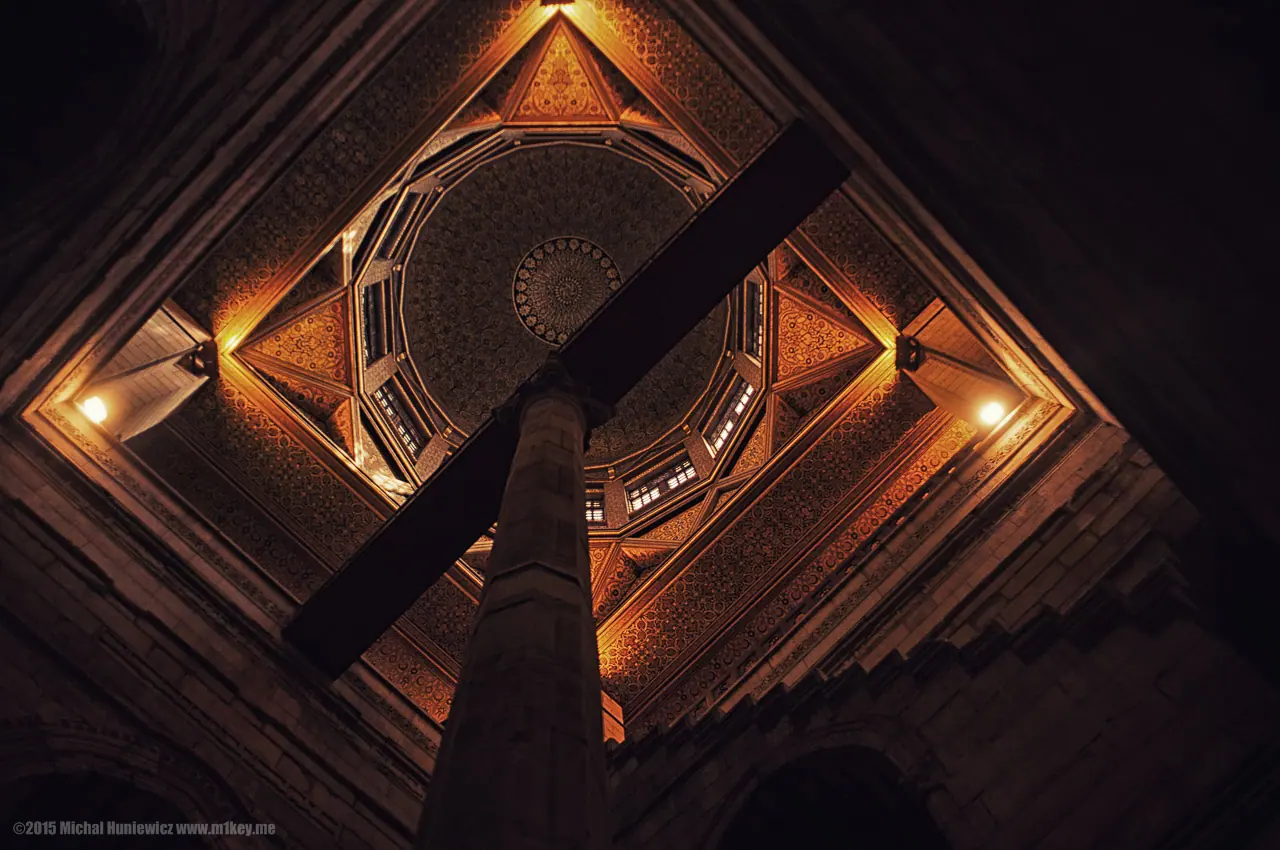 06
06NOTE 06 · BUILDING / AFTERLIFE
A ceiling can preserve structure, paint, repair, patronage and the history of looking after a living building.
READ FIELD NOTE →THE DISCOVERY PROTOCOL
INDEPENDENT · SOURCE-LED · REVISION-READY